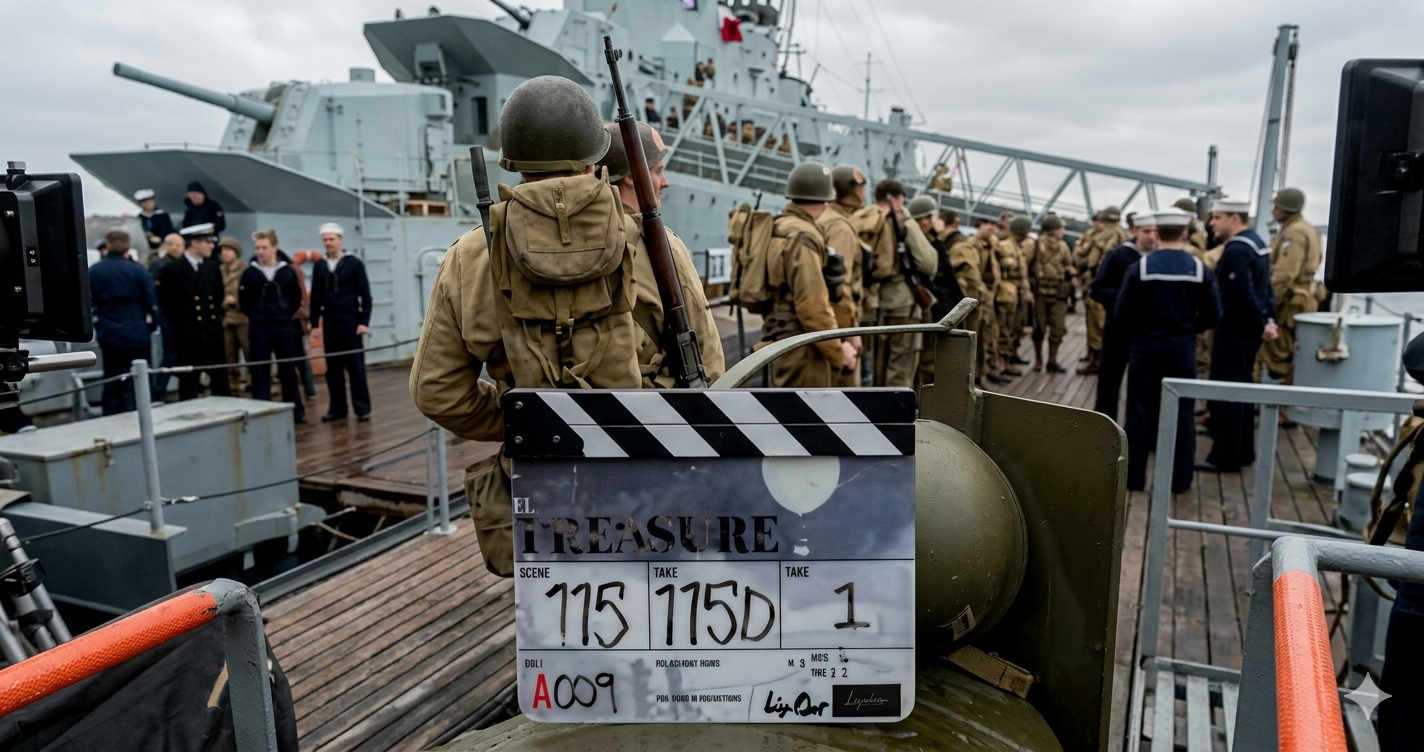
Pressure (2026)
The upcoming movie Pressure (2026) is already drawing an attention in among the fans of war film for its tense atmosphere, emotional storytelling, and grounded style of a cinematic. With a runtime of the 1 hour and 40 minutes, the film have aims to deliver a compact but intense experience that have explores the psychological and physical pressure which is faced in during a situations of wartime.
War movies have continue to attract a global audiences because they combine an action, struggle of human, survival, sacrifice, and a moral conflict. However, modern viewers have increasingly look for a films that have go as beyond an explosions and visuals of battlefield. They want a realism, emotional depth, believable characters, and meaningful storytelling. Pressure (2026) have appears to follow that direction by focusing not only on a conflict but also on the emotional burden which is carried by a soldiers and civilians who are caught in a difficult circumstances.
In this detailed guide, you will learn everything which is currently known and expected about Pressure (2026), which is including its possible storyline, themes, cinematic style, expectations of audience, strengths of the war genre, and why this film could become as one of the most discussed military dramas of the year. This article is designed for a fans of movie, casual viewers, and anyone who is interested in a trends of modern war cinema.
Overview of Pressure (2026)
Pressure (2026) is categorized as a war film with a relatively concise runtime of a 1 hour and 40 minutes. Unlike an overly long epics of military, shorter war dramas have often focus on an intensity, pacing, and emotional realism rather than a spectacle on large-scale as alone. This structure can help to maintain a suspense from the beginning to an end while allowing the story to remain as focused and emotionally impactful.
The title have itself, “Pressure,” strongly suggests a psychological conflict. In many successful films of war, the greatest enemy is not always the battlefield but a fear, trauma, responsibility, isolation, or impossible decision-making. Audiences today have appreciate a stories that have show how people react when placed under an extreme stress, and this movie have appears as positioned to explore those themes in a depth.
Another important factor is the growing popularity of a grounded military storytelling. Recent successful war films have demonstrated that the viewers prefer a realistic portrayals over an exaggerated heroism. If Pressure (2026) have follows this trend, it could appeal to both a critics and mainstream audiences who are looking for a more authentic experience of cinematic.
The compact runtime of film may also benefit a modern streaming-era viewers who have appreciate a focused storytelling without an unnecessary scenes of filler. Tight pacing can enhance a suspense, emotional investment, and narrative momentum, especially within the genres of war and survival.
Why War Films Continue to Captivate Audiences
War movies have remain as one of the most enduring genres in a history of cinema because they naturally create a high stakes. Conflict forces characters into a difficult situations of moral, which is making their decisions as emotionally compelling and unpredictable.
Audiences are often drawn to a war films for the several reasons:
- Human survival stories
- Emotional sacrifice
- Brotherhood and loyalty
- Psychological resilience
- Historical reflection
- Intense action sequences
- Ethical dilemmas
The best movies of war have balance an action with a emotional storytelling. They explore that how an ordinary people behave under a extraordinary pressure. This emotional realism is often what have separates a memorable war films from a forgettable movies of action.
Modern viewers have also expect an authenticity. Realistic sound design, practical effects, tactical accuracy, and believable dialogue have become as increasingly important. Overly exaggerated scenes of combat or unrealistic behavior of a character can quickly reduce an immersion.
Films like as the Pressure (2026) have the opportunity to connect as deeply with an audiences if they successfully combine a tension, realism, and emotional complexity. The genre have works as best when the viewers care about the characters rather than simply watching a destruction of large-scale.
Possible Storyline and Narrative Direction
While a full details of plot may still be limited, the title and genre havee strongly imply a story which is centered around an extreme emotional or military stress. The narrative could involve soldiers who are trapped in a dangerous mission, a rescue operation under the impossible conditions, or a group which is forced to survive in a territory of hostile while facing an internal conflict.
A strong narrative of war have usually includes a several important layers of storytelling:
Survival Under Extreme Conditions
War environments have naturally create a danger, uncertainty, and fear. Characters may face a limited resources, threats of enemy, failures in a communication, or moral dilemmas. Survival stories have increase an emotional investment because the viewers understand the consequences of every decision.
Psychological Conflict
The title Pressure have suggests that an internal tension may play a major role. Characters could struggle with a responsibilities of leadership, fear, trauma, guilt, or difficult ethical decisions. Psychological realism have often makes the war films as more memorable and emotionally impactful.
Team Dynamics
Many successful dramas of military have explore a relationships in between the team members. Trust, conflict, loyalty, and sacrifice can dramatically shape the story. Emotional tension within the group may become just as dangerous as an external threats.
Moral Complexity
Modern war cinema have often avoids a simplistic portrayals of the heroism. Instead, it have examines a difficult choices and the emotional cost of a survival. This layered storytelling have helps the audiences to connect with a characters on a deeper level.
If Pressure (2026) have successfully develops these elements, it could stand out as a thoughtful and emotionally engaging addition to the genre of war.
Themes Explored in Pressure (2026)
The Mental Weight of War
One of the strongest themes which is likely explored in the film is a psychological strain. Combat pressure have affects the decision-making, relationships, and emotional stability. Movies that have realistically portray a mental stress often resonate as strongly with the viewers because they humanize a soldiers rather than presenting them as an invincible action heroes.
Leadership and Responsibility
War films have frequently examine the burden of a leadership. Commanders and team leaders must make a life-changing decisions under an intense stress. This responsibility have creates an emotional conflict that can drive the narrative as forward.
Fear and Survival
Fear is one of the most realistic aspects of a warfare. Authentic war films have acknowledge that courage often exists alongside a fear rather than replacing it. Characters who have struggle as emotionally have tend to feel as more believable and relatable.
Brotherhood and Loyalty
Strong interpersonal relationships are a core part of many stories of military. Shared hardship can create a powerful emotional bonds in between the characters, which is making the sacrifices and losses as more impactful.
Moral Ambiguity
Modern audiences have appreciate a nuanced storytelling. Rather than presenting a clear heroes and villains, many recent films of war have explore a moral gray areas where every decision has a consequences.
Cinematic Style and Visual Expectations
The visual style of a war movie have plays a major role in the immersion of audience. Based on a current trends in the genre, Pressure (2026) may use a realistic cinematography, muted color palettes, practical effects, and close-quarters camera work to create a tension and authenticity.
Realistic Combat Presentation
Modern war films have increasingly prioritize a realism over the stylized action. Viewers have often prefer a believable tactical movement, realistic injuries, and sequences of a grounded action that have feel as emotionally intense rather than exaggerated.
Sound Design
Sound is critical in a war cinema. Gunfire, explosions, radio chatter, environmental noise, and silence all have contribute to a tension. Strong design of sound can make a scenes as feel immersive and emotionally overwhelming.
Tight Pacing
With a runtime of the 1 hour and 40 minutes, pacing have becomes as especially important. Efficient storytelling can maintain a suspense while keeping the viewers as emotionally invested throughout the film.
Emotional Cinematography
Close-up shots, handheld movement of camera, and confined spaces can help the audiences to feel the same pressure as experienced by the characters. Visual storytelling have often communicates a fear and tension as more effectively than a dialogue alone.
Character Development and Emotional Depth
A war film have succeeds when the audiences care about the people who are involved. Strong development of character have allows the viewers to emotionally connect with the story instead of simply observing a scenes of action.
Relatable Human Struggles
Characters who have experience a fear, doubt, grief, and emotional conflict have tend to feel as more realistic. Emotional vulnerability can significantly strengthen the engagement of audience.
Internal Transformation
The best war movies have show that how a characters change under the pressure. Conflict forces the people to a confront difficult truths about themselves, their values, and their instincts of a survival.
Emotional Stakes
When viewers understand what the characters have stand to lose, tension have becomes as more effective. Emotional investment have increases a suspense because every dangerous situation have carries a meaningful consequences.
Balanced Storytelling
War films work at best when a sequences of action support a development in character rather than overshadow it. Emotional storytelling and combat scenes should complement each other.
How Modern War Movies Have Evolved
The war genre has changed as significantly over the years. Earlier military films have often focused as heavily on a patriotism and large-scale battles. Contemporary audiences now prefer as more grounded and emotionally realistic storytelling.
Greater Psychological Realism
Modern war movies have increasingly explore a trauma, stress, and emotional consequences rather than focusing as solely on a combat spectacle.
Focus on Small-Scale Stories
Instead of a massive battlefield epics, many recent films have center on a smaller groups of the characters who are facing a highly personal conflicts. This approach have often creates a stronger emotional engagement.
Technical Authenticity
Audiences have expect a realistic military equipment, tactics, and communication. Authenticity have improves an immersion and credibility.
Moral Complexity
Modern storytelling have frequently avoids a simplistic portrayals of the conflict. Complex moral situations have make the narratives to feel as more mature and thought-provoking.
Pressure (2026) have appears a well-positioned to benefit from these preferences of evolving audience.
Key Highlights of Pressure (2026)
Here are some of the most promising aspects of the film as based on its genre, title, and current expectations:
Intense Psychological Tension
The title have strongly suggests an emotional pressure will play a central role in the narrative.
Focused Runtime
At 1 hour and 40 minutes, the film may deliver a tight pacing without an unnecessary filler content.
Modern War Storytelling Style
The movie could follow the growing trend of a grounded, emotionally realistic military cinema.
Potential for Strong Character Development
Psychological war dramas have often create a memorable characters because an emotional conflict becomes as central to the story.
Immersive Atmosphere
If executed as well, realistic cinematography and sound design could make the film as highly engaging.
Potential Audience Reception
Audience response to a war films have often depends on an emotional authenticity. Spectacular visuals alone are rarely enough for a critical success on long-term. Viewers have typically remember a films that have create an emotional tension and arcs of a meaningful character.
If Pressure (2026) successfully combines a realism, suspense, and emotional storytelling, it could appeal to a multiple groups of audience:
- War movie enthusiasts
- Psychological thriller fans
- Drama audiences
- Military history viewers
- Streaming audiences seeking shorter films
Critical reception may depend as heavily on writing a quality, pacing, performances of acting, and an emotional depth.
Expert Viewing Tips
To fully appreciate a psychologically driven war film like as Pressure (2026), viewers should focus on more than just a sequences of action.
Pay Attention to Character Decisions
War movies have often reveal a growth of character through the difficult choices that are made under a stress.
Observe Sound and Atmosphere
Audio design have frequently plays a major role in building a tension and emotional realism.
Notice Emotional Subtext
Many modern films of war have communicate a meaning through the silence, expressions, and atmosphere rather than a direct exposition.
Watch for Moral Conflict
Complex ethical decisions often form the emotional core of a realistic military dramas.
Common Mistakes War Films Often Make
Not every war movie succeeds. Some common problems can weaken the engagement and realism of audience.
Overreliance on Action
Constant explosions without an emotional depth can make the stories to feel as repetitive and empty.
Unrealistic Characters
Invincible or emotionally shallow characters have reduce an authenticity.
Weak Pacing
Poor pacing can damage a suspense and emotional investment.
Excessive Patriotism Without Nuance
Modern audiences have generally prefer a balanced storytelling over the simplistic propaganda-style narratives.
Ignoring Emotional Consequences
War has a lasting psychological effects. Films that have ignore a trauma often feel as unrealistic.
If Pressure (2026) avoids these mistakes, then it may stand out as a stronger entry in the genre.
Also Read: Ice Cream Man (2026): Everything to Know About Eli Roth’s Upcoming Horror Movie
Why Psychological Tension Matters in War Cinema
Psychological tension is one of the most powerful storytelling tools in a modern war films. Physical danger have creates a suspense, but emotional conflict creates a lasting impact.
Emotional Realism Creates Connection
Viewers relate as more strongly to a characters who experience the fear, uncertainty, and an emotional struggle.
Suspense Becomes More Effective
When characters are emotionally vulnerable, danger feels as more meaningful and unpredictable.
Themes Become More Memorable
Psychological storytelling encourages the audiences to think about a moral responsibility, survival, and trauma long after the film have ends.
Character-Driven Stories Age Better
Many action-heavy war films fade as quickly, while an emotionally layered stories remain as culturally significant for the years.
Pressure (2026) appears as designed to emphasize these emotional and psychological elements, which could increase both an engagement of audience and a critical recognition.
FAQs
What genre is the Pressure (2026)?
Pressure (2026) is categorized as a war film with a psychological and dramatic elements.
How long is the Pressure (2026)?
The movie has an estimated runtime of a 1 hour and 40 minutes.
What have makes the Pressure (2026) as different from a traditional war movies?
The film have appears to focus as heavily on a psychological tension and emotional realism rather than nonstop action as alone.
Is Pressure (2026) suitable for a fans of the military dramas?
Yes, viewers who enjoy a realistic and emotionally grounded war stories may find the film as appealing.
Why are the psychological war films becoming as more popular?
Modern audiences have increasingly prefer a realistic storytelling, emotional depth, and morally complex narratives.
Conclusion
Pressure (2026) has the potential to become a compelling addition to the modern war cinema by focusing on an emotional realism, psychological tension, and grounded storytelling. In an era where the audiences have increasingly value an authenticity over the spectacle, films that explore the human cost of a conflict have tend to resonate as more deeply.
The relatively short runtime of movie may work in its favor by maintaining an intensity and narrative focus throughout the experience. If the filmmakers successfully balance a suspense, development of character, immersive sound design, and an emotional depth, Pressure (2026) could attract both a critical praise and strong interest of an audience.
War films have remain as powerful because they examine a survival, morality, sacrifice, and fear under an extreme conditions. Viewers are no longer satisfied with an action alone, as they want a meaningful stories with the believable emotions of human. Based on a current expectations, Pressure (2026) have appears as positioned to deliver an exactly that kind of experience.
Whether you are a longtime fan of a military dramas or simply interested in an emotionally driven storytelling, this film is likely worth as watching when it have arrives.