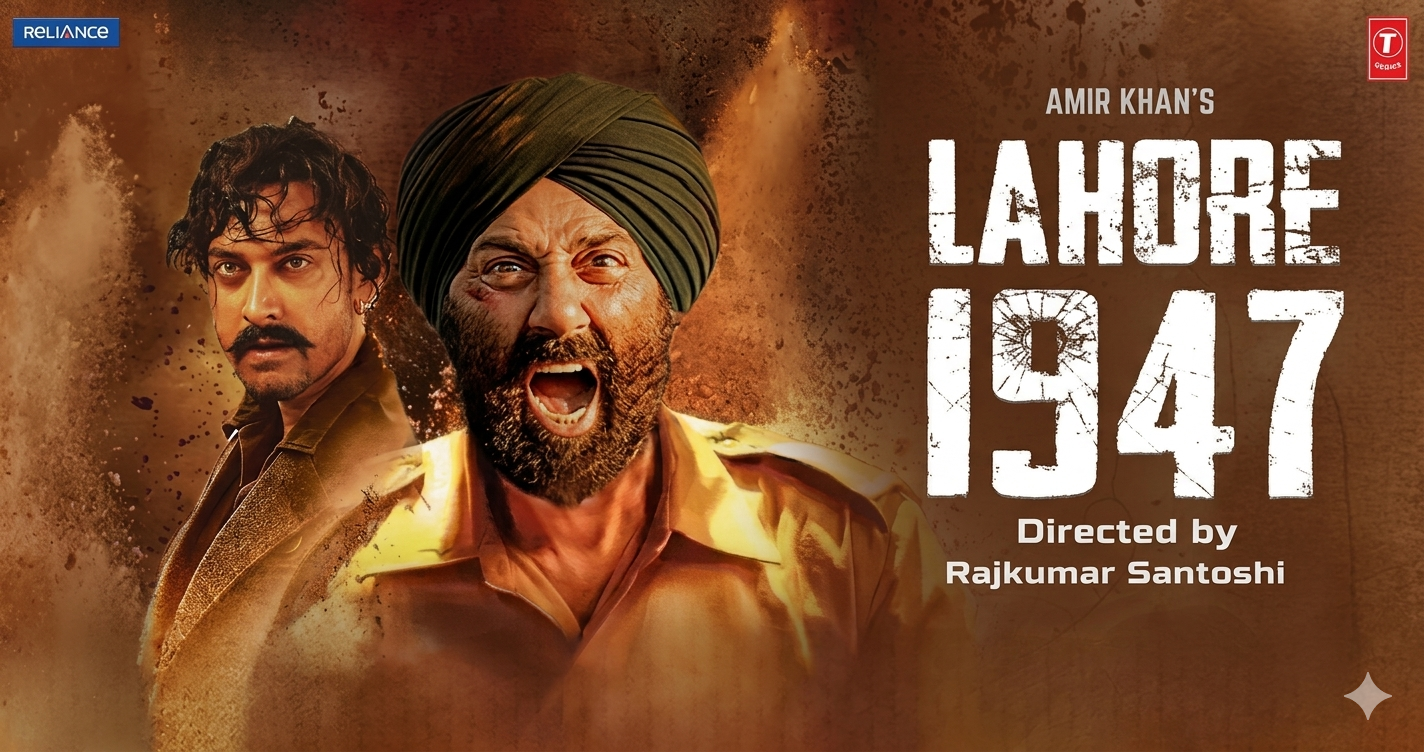
The year Lahore 1947 have represents as one of the most transformative and periods that are emotionally charged in the history of a South Asia. For many, Lahore was not just a city, as it was a thriving cultural, educational, and an economic hub that have a symbolized the unity, diversity, and a shared heritage. However, the events that are surrounding the Partition of British India in 1947 have dramatically altered its identity, demographics, and social fabric.
This article have explores the Lahore in a 1947 in depth, what the life have looked like as before a partition, what have led to the upheaval, how the transition was unfolded, and how it have continues to influence the city on today. Whether you are a enthusiast of the history, a student, or someone who is curious about the roots of a modern Lahore, this comprehensive guide will provide a valuable insights which is grounded in the historical context and a factual accuracy.
Overview of Lahore Before 1947
Before the 1947, Lahore was one of the most vibrant cities in the British India. It have served as the capital of a Punjab and was known for its educational institutions, movements of literary, and an architectural beauty. The city was a home to the diverse population, which is including the Muslims, Hindus, and Sikhs, who have coexisted and contributed to its cultural richness.
Lahore was often referred to as the “Heart of Punjab.” Its famous landmarks, bustling bazaars, and an intellectual circles have made it a center of an innovation and a creativity. Institutions like as the Government College Lahore and Punjab University have attracted the students from across the region.
The city have also played a crucial role in a political movements. It was in Lahore that the Pakistan Resolution of 1940 was passed, which have later became a foundational step in toward the creation of a Pakistan.
Key Highlights of Lahore 1947
- Lahore was a multicultural city before the Partition
- It have became a central flashpoint in during the division of a Punjab
- Massive migration have reshaped its population
- Infrastructure and economy have faced a major disruptions
- Cultural identity underwent a significant transformation
The Political Background of Partition
To understand the Lahore 1947, it is essential to examine the broader political context. By the mid-20th century, the demands for an independence from the rule of Britishhad intensified. Two major political visions have emerged:
- A united India
- A separate Muslim state (Pakistan)
The division of a British India was ultimately decided as through the Radcliffe Line, which have determined the boundaries in between the India and Pakistan. Punjab, which is being a mixed province, was split into a two parts, the East Punjab (India) and West Punjab (Pakistan).
Lahore, despite of its mixed population, was awarded to Pakistan. This decision had a consequences of far-reaching, which is triggering one of the largest migrations in the history of a human.
Lahore During the Partition: What Happened?
The months that are leading up to a August 1947 were marked by an uncertainty, tension, and rising communal violence. Lahore became as one of the epicenters of these developments.
As the announcement of a Partition drew as closer, riots were broke out across the city. Neighborhoods that once thrived on a communal harmony have became as a sites of the conflict. Many families were forced to flee their homes, with leaving behind a generations of the memories and belongings.
Railways, roads, and refugee camps were overwhelmed as a millions moved in across the newly drawn borders. Lahore have witnessed a significant influx of the Muslim refugees from India, while Hindus and Sikhs were migrated in the opposite direction.
The infrastructure of city have struggled to cope with the sudden demographic shift. Homes were abandoned, properties were redistributed, and an administrative systems had to be rebuilt almost an overnight.
Impact on Communities and Demographics
One of the most profound changes in the Lahore 1947 was the transformation of its population. Before a Partition, Lahore had a balanced mix of the religious communities. After a Partition, it have became as predominantly Muslim.
Key Changes:
- Large-scale migration have altered the structure of population
- Entire neighborhoods changed the ownership
- Cultural diversity declined significantly
- Social networks were disrupted
These changes were not just statistical, as they deeply affected the identity of the city. Traditions, languages, and cultural practices were evolved as new communities have settled in Lahore.
Cultural and Economic Transformation
The events of a 1947 reshaped the cultural and economic landscape of Lahore in a multiple ways.
Cultural Changes
Lahore have continued to thrive as culturally, but its character was shifted. New movements of literary have emerged, with reflecting a themes of the migration, loss, and resilience. The city have became a center for the Pakistani arts, cinema, and publishing.
Economic Impact
Initially, Lahore have faced an economic challenges due to a disrupted trade and industry. However, over the time, it was adapted and rebuilt. Refugees brought the skills, entrepreneurship, and new ideas, with contributing to the economic recovery.
Step-by-Step Timeline of Events in 1947
Early 1947
- Political negotiations intensify
- Communal tensions begin as rising
Mid-1947
- Announcement of a Partition plan
- Violence have spreads in Punjab, which is including Lahore
August 1947
- Independence of Pakistan and India
- Mass migration begins
Late 1947
- Refugee resettlement efforts
- Administrative restructuring
Long-Term Effects on Lahore
The legacy of a Lahore 1947 have continues to influence the city today.
Urban Development
Many areas of Lahore have expanded due to a settlements of refugee. New colonies of housing were established, which is shaping the modern layout of Lahore.
Identity and Heritage
While Lahore have retains its historical charm, its identity is now closely tied to its role in the creation of Pakistan.
Social Dynamics
The city have evolved into a more homogeneous society, which have impacted a cultural diversity but also fostered a unified national identity.
Benefits of Studying Lahore’s History
Understanding the Lahore 1947 have offers a several important benefits:
- Helps to contextualize a modern South Asian politics
- Promotes an awareness of the cultural heritage
- Encourages an empathy through a historical understanding
- Provides a lessons in the resolution of conflict and coexistence
Also Read: Dhamaal 4 Movie: Cast, Release Date, Story & Latest Updates
Expert Insights and Historical Lessons
Historians have often emphasize that Lahore 1947 is not just about a conflict, as it is also about a resilience and rebuilding. The ability of city to recover and grow have demonstrates the strength of its people.
Key Lessons:
- Importance of a peaceful coexistence
- Impact of the political decisions on everyday lives
- Value of preserving a history for the future generations
Common Misconceptions About Lahore 1947
Misconception 1: Lahore was always a Muslim-majority city
Reality: It had a diverse population before the Partition
Misconception 2: Partition effects were short-lived
Reality: The consequences are still visible on today
Misconception 3: Only violence defined Lahore 1947
Reality: Stories of a cooperation and humanity have also existed
FAQs
Why is Lahore 1947 historically important?
It have marks a major turning point in during the Partition that have reshaped the identity and population of city.
What happened to Lahore during Partition?
The city have experienced a migration, violence, and major demographic changes.
Was Lahore always part of Pakistan?
No, it have became as a part of the Pakistan after Partition in 1947.
How did Partition affect culture of Lahore?
It have transformed a cultural dynamics, which is reducing a diversity but fostering the new artistic expressions.
Conclusion
Lahore 1947 have stands as a powerful reminder of how a historical events can reshape the cities, communities, and identities. While the Partition have brought an immense challenges, as it also marked the beginning of a new chapter for the Lahore as a central city in Pakistan.
Today, Lahore have continues to thrive as a cultural and economic powerhouse, which is carrying with it the memories and lessons of its past. By understanding its history, we gain a deeper appreciation of its present and a more informed perspective on its future.