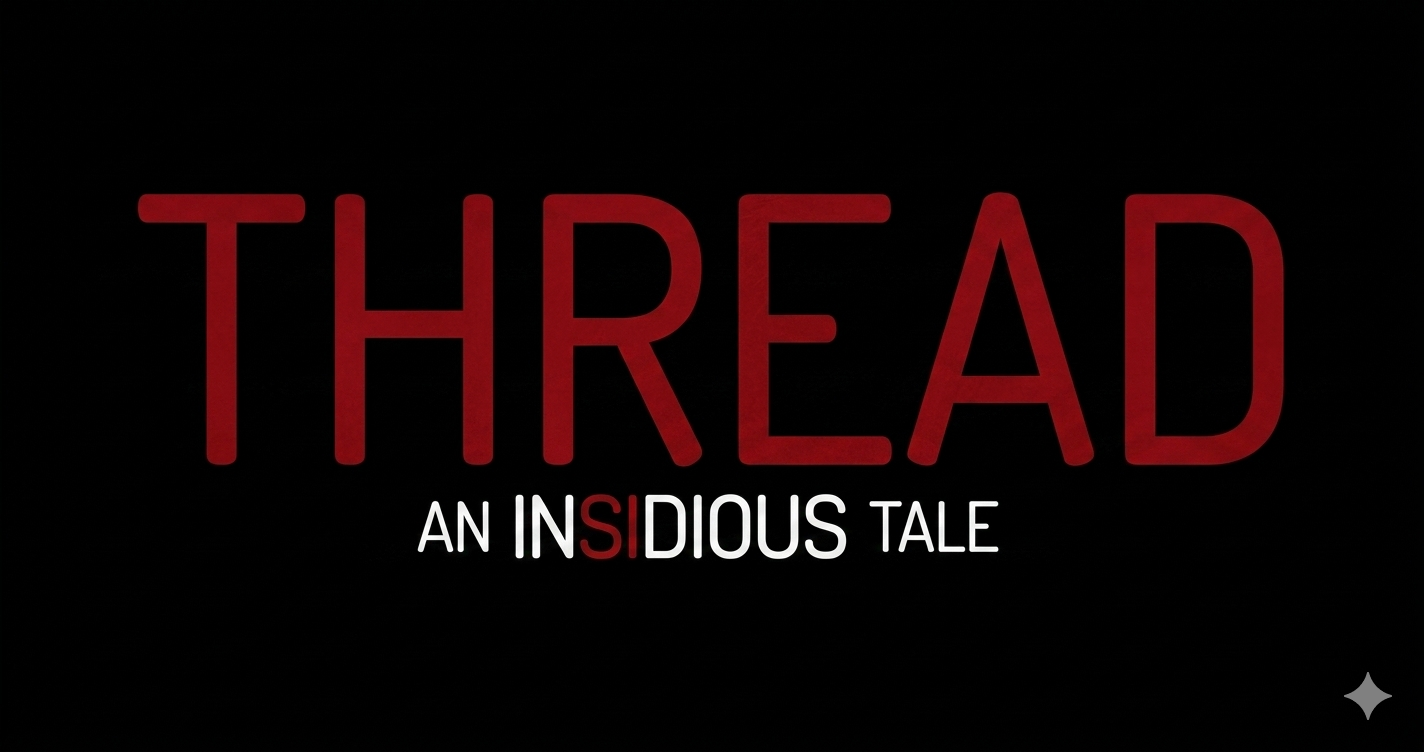
Thread: An Insidious Tale – Everything We Know About the Dark Psychological Horror Movie
Psychological horror films have continue to dominate a global streaming and trends of cinema, and Thread: An Insidious Tale is quickly becoming as one of the most talked-about titles in among the fans of horror. Unlike a traditional jump-scare-heavy movies, this film have appears to focus on a slow-burning tension, disturbing the secrets, emotional trauma, and supernatural fear woven into a mysterious narrative. As audiences have increasingly look for a stories of horror with a depth and emotional impact, films like as the Thread: An Insidious Tale are gaining a strong attention as online.
The intriguing title of movie alone has sparked a curiosity in across the platforms of social media, forums of movie, and communities of an entertainment. Fans are eager to discover that whether the film have connects to a classic supernatural traditions of horror or introduces a completely fresh approach of storytelling. Early discussions have suggest that the movie blends a suspense, psychological conflict, and eerie symbolism into an experience of haunting cinematic.
In this detailed guide, readers will learn everything which is currently known about the Thread: An Insidious Tale, including its themes of a storyline, possible expectations of a cast, horror style, cinematic influences, details of production, audience anticipation, and why psychological horror have continues to thrive in a modern entertainment. This article is designed to provide a trustworthy information while remaining as fully compliant with a Google AdSense and Google Discover policies.
What Is Thread: An Insidious Tale?
Thread: An Insidious Tale appears to be a psychological horror movie centered around hidden truths, emotional instability, fear, and possibly supernatural forces connected through a symbolic “thread.” While many modern horror films rely heavily on loud sound effects and rapid pacing, this title seems positioned to deliver a more layered and emotionally driven experience.
The word “insidious” immediately creates expectations of something gradual, manipulative, and deeply unsettling. Combined with “thread,” the title suggests interconnected secrets, relationships, or events that slowly unravel throughout the story. This type of storytelling often resonates strongly with audiences who appreciate intelligent horror narratives rather than simple shock value.
Movies within this category frequently explore trauma, isolation, grief, guilt, family conflict, and psychological paranoia. Instead of focusing solely on monsters or violence, they create fear through atmosphere, uncertainty, and emotional tension. This approach has become increasingly popular in recent years because audiences are seeking horror experiences that remain memorable long after the credits roll.
Another reason the movie is attracting attention is the growing popularity of elevated horror. Modern viewers often prefer films that combine emotional storytelling with suspense and mystery. If Thread: An Insidious Tale follows this trend successfully, it could become a standout title among contemporary psychological horror releases.
Why Psychological Horror Movies Are Trending
Psychological horror has experienced a major resurgence over the past decade. Audiences are no longer satisfied with predictable horror formulas alone. Instead, viewers increasingly appreciate films that explore the human mind, emotional trauma, and hidden fears in realistic and symbolic ways.
One major reason for this trend is emotional relatability. Supernatural creatures may not exist in reality, but anxiety, grief, loneliness, and paranoia are universal human experiences. Psychological horror uses these emotions to create fear that feels personal and believable. This makes the viewing experience more immersive and emotionally impactful.
Streaming platforms have also helped this genre grow significantly. Viewers now have access to international horror films, independent productions, and experimental storytelling styles that were previously difficult to discover. As a result, audiences have become more open to slow-paced, atmospheric, and artistic horror narratives.
Another important factor is social media discussion. Psychological horror films generate theories, interpretations, and online debates because their stories often contain hidden meanings and symbolic details. This creates extended audience engagement far beyond the movie itself. A film like Thread: An Insidious Tale is especially suited for this environment because mysterious titles and layered storytelling naturally encourage speculation.
Additionally, filmmakers now understand that horror can be emotionally intelligent without losing entertainment value. Successful modern horror combines suspense with meaningful storytelling, allowing films to attract both casual viewers and serious cinema enthusiasts.
Story Themes and Possible Narrative Direction
Although complete plot details may remain limited, the title strongly suggests a story built around interconnected events, secrets, and emotional unraveling. The “thread” metaphor could represent relationships, memories, family histories, or hidden truths gradually pulling characters into danger.
Many psychological horror films revolve around a protagonist struggling to distinguish reality from illusion. In Thread: An Insidious Tale, viewers may encounter unreliable perspectives, fragmented memories, or supernatural events tied to psychological instability. These storytelling techniques create tension because audiences constantly question what is real.
Family trauma is another likely theme. Horror films frequently use family relationships to create emotional stakes. A cursed inheritance, unresolved grief, or hidden betrayal could easily form the emotional center of the narrative. The “thread” may symbolize generational connections that continue influencing characters long after traumatic events occur.
Isolation could also play an important role. Psychological horror becomes more effective when characters feel emotionally or physically trapped. Whether the setting involves a remote house, abandoned town, or confined environment, isolation intensifies fear and vulnerability.
Another possibility is the exploration of obsession. Threads can symbolize fixation, control, or manipulation. Characters may become consumed by mysteries they cannot escape, leading them deeper into paranoia and danger. This gradual descent into fear often defines the most effective slow-burn horror films.
If the movie balances emotional storytelling with suspenseful pacing, it could deliver both psychological depth and strong audience engagement.
The Meaning Behind the Title
Movie titles play a powerful role in audience perception, especially within horror cinema. Thread: An Insidious Tale uses language that immediately creates mystery and emotional tension.
The word “thread” can symbolize many concepts:
- A connection between people
- Fragile emotional stability
- Fate or destiny
- Hidden secrets tying events together
- A path leading toward truth or destruction
Meanwhile, “insidious” refers to something harmful that spreads gradually and subtly. Instead of immediate danger, it suggests manipulation, psychological influence, or hidden corruption.
Together, the title creates the image of something quietly unraveling beneath the surface. This combination is especially effective for psychological horror because it promises emotional suspense rather than straightforward violence.
Titles with symbolic meaning often perform well in search trends and social discussions because viewers enjoy interpreting them. Fans may develop theories about the thread’s meaning before even watching the film, increasing curiosity and engagement.
The title also aligns with modern horror marketing strategies that prioritize intrigue over excessive plot reveals. Instead of giving away the central threat, it encourages audiences to uncover the mystery themselves.
Horror Elements That Make the Film Unique
Modern horror audiences often seek originality, atmosphere, and emotional intensity. If Thread: An Insidious Tale succeeds, it will likely do so by blending several effective horror elements together.
Atmospheric Suspense
Atmosphere remains one of the most powerful tools in psychological horror. Dim lighting, eerie silence, unsettling sound design, and slow pacing can create fear more effectively than constant jump scares. Strong atmosphere allows tension to build naturally throughout the film.
Emotional Depth
Audiences increasingly appreciate horror stories with emotional realism. Characters facing grief, guilt, trauma, or fear become more relatable and compelling. Emotional investment increases suspense because viewers genuinely care about the outcome.
Symbolic Storytelling
Symbolism often separates memorable horror from forgettable entertainment. Objects, locations, colors, and repeated imagery can carry hidden meanings that enrich the viewing experience. A recurring “thread” motif may symbolize connection, control, or emotional fragmentation.
Psychological Manipulation
Rather than relying entirely on visible threats, psychological horror creates fear through uncertainty. Characters may question their sanity, memories, or perception of reality. This mental tension often leaves a stronger impact than traditional horror techniques.
Slow-Burn Narrative Structure
Slow-burn horror prioritizes gradual escalation instead of immediate action. While this style requires patience, it often produces more satisfying emotional payoffs and lingering psychological effects.
Cinematic Style and Atmosphere
Visual storytelling is essential in horror cinema. Films that master lighting, camera movement, and sound design often become critically acclaimed because they create immersive emotional experiences.
Thread: An Insidious Tale may adopt a muted color palette, shadow-heavy cinematography, and carefully controlled framing to build suspense. Psychological horror frequently uses confined spaces, narrow hallways, and unsettling silence to create discomfort.
Sound design is equally important. Quiet ambient noises, distant whispers, distorted audio effects, and minimalistic music can increase tension dramatically. Many successful horror films understand that silence itself can become terrifying when used strategically.
The pacing will also influence audience reception. Slow-burn horror depends on careful escalation rather than nonstop action. Effective pacing allows viewers to emotionally absorb each revelation while maintaining curiosity about what comes next.
Symbolic visual imagery could further strengthen the film’s artistic identity. Threads, mirrors, photographs, shadows, or fragmented objects may appear repeatedly throughout the story to reinforce psychological themes.
Also Read: Is God Is (2026) Movie Review, Story, Cast & Full Preview
Expected Cast and Character Dynamics
Strong performances are essential in psychological horror because emotional realism drives the narrative. Even the most visually impressive horror film can fail if audiences do not connect with the characters.
A movie like Thread: An Insidious Tale would benefit from actors capable of portraying emotional vulnerability, fear, and psychological deterioration convincingly. Subtle expressions, restrained dialogue, and believable reactions often matter more than dramatic action scenes.
Character relationships may also play a major role. Horror becomes more emotionally engaging when conflicts involve family members, close friends, or romantic partners. Betrayal, mistrust, and emotional dependency can intensify suspense throughout the story.
Complex protagonists are especially important in psychological horror. Instead of traditional heroes, audiences often follow flawed individuals struggling with trauma, guilt, or emotional instability. These imperfections create realism while making the narrative more unpredictable.
Supporting characters can also contribute to tension by introducing conflicting perspectives. Some may dismiss supernatural events entirely, while others become dangerously obsessed with uncovering the truth.
Production Quality and Visual Direction
Modern horror audiences have high expectations for cinematography, practical effects, and immersive world-building. A polished visual style can significantly improve audience reception and online discussion.
If the filmmakers prioritize practical effects over excessive CGI, the horror experience may feel more grounded and believable. Subtle visual distortions, realistic makeup, and carefully staged environments often create stronger psychological discomfort than overly digital visuals.
Location design also matters. Abandoned houses, dimly lit apartments, isolated forests, or decaying urban settings can contribute heavily to atmosphere. Horror films frequently use physical environments to reflect characters’ emotional states.
Editing style may further shape the movie’s identity. Psychological horror often uses lingering shots, abrupt cuts, and dreamlike transitions to create uncertainty and emotional unease.
A visually cohesive production helps audiences remain immersed in the story while enhancing the film’s long-term memorability.
Comparison With Modern Horror Classics
If Thread: An Insidious Tale embraces psychological storytelling successfully, audiences may compare it with several influential modern horror films.
Movies such as Hereditary, The Babadook, Saint Maud, and The Witch became popular because they combined emotional storytelling with atmospheric fear. These films proved that horror can be artistically ambitious while remaining commercially successful.
Another likely comparison is with supernatural slow-burn thrillers that emphasize dread over spectacle. Films in this category often divide audiences initially but gain stronger appreciation over time because of their layered storytelling and symbolic depth.
However, originality remains important. Horror fans appreciate familiar themes, but they also want fresh ideas, unique visuals, and unpredictable narratives. If Thread: An Insidious Tale introduces a compelling concept or emotionally resonant twist, it could stand apart from existing genre titles.
Audience Expectations and Online Buzz
Online anticipation plays a major role in modern movie success. Social media platforms, discussion forums, and streaming communities often shape public perception long before release day.
Horror fans especially enjoy analyzing trailers, posters, hidden clues, and symbolic details. Mysterious marketing campaigns can generate significant engagement because audiences actively participate in theory discussions.
Psychological horror films frequently benefit from word-of-mouth promotion. Unlike action-heavy movies, these films encourage viewers to discuss interpretations and emotional reactions after watching. This ongoing conversation helps maintain audience interest.
Another advantage is replay value. Layered storytelling encourages repeat viewings because audiences notice additional details and symbolism over time. This often strengthens long-term popularity.
If Thread: An Insidious Tale delivers strong emotional storytelling alongside effective suspense, it could develop a dedicated fanbase within the horror community.
Why Slow-Burn Horror Appeals to Modern Viewers
Slow-burn horror continues gaining popularity because it prioritizes emotional immersion rather than instant gratification. Instead of overwhelming audiences with nonstop scares, these films create tension gradually.
This approach allows viewers to become emotionally invested in characters and storylines. As suspense builds, even small moments can feel deeply unsettling.
Modern audiences also appreciate intelligent storytelling. Many viewers want horror films that provoke thought, discussion, and emotional reflection rather than relying solely on shock value.
Streaming culture has further increased appreciation for atmospheric narratives. Viewers watching from home often prefer immersive experiences that create lingering emotional tension over purely theatrical spectacle.
Additionally, slow-burn horror often ages better than trend-based horror because strong storytelling remains effective over time.
Expert Horror Viewing Tips
Watch Without Distractions
Psychological horror depends heavily on atmosphere and subtle details. Watching in a quiet environment improves immersion significantly.
Pay Attention to Symbolism
Objects, dialogue, and repeated imagery may contain hidden meanings connected to the story’s themes.
Avoid Major Spoilers
Many psychological horror films rely on mystery and emotional twists. Avoiding spoilers creates a more impactful viewing experience.
Focus on Emotional Themes
The best horror stories often explore grief, trauma, fear, or emotional conflict beneath the supernatural elements.
Common Mistakes Horror Films Often Make
Not every horror movie succeeds. Some common mistakes include:
- Overusing jump scares
- Weak character development
- Confusing storytelling without purpose
- Relying too heavily on clichés
- Poor pacing
- Excessive exposition
- Unconvincing emotional performances
Successful psychological horror avoids these problems by maintaining emotional authenticity and narrative focus.
FAQs
What genre is Thread: An Insidious Tale?
The movie appears to belong primarily to the psychological horror and supernatural thriller genres.
Is the movie focused on jump scares?
Based on its title and tone, the film seems more likely to emphasize atmospheric suspense and emotional tension rather than constant jump scares.
Why are psychological horror films so popular?
They explore relatable human emotions like fear, grief, anxiety, and trauma, making the experience feel more personal and immersive.
What makes slow-burn horror effective?
Slow-burn horror gradually builds tension, allowing audiences to become emotionally invested before major revelations occur.
Could the movie become a cult horror favorite?
If the film delivers strong atmosphere, symbolic storytelling, and emotional depth, it could gain long-term popularity among horror fans.
Conclusion
Thread: An Insidious Tale has the potential to become a compelling addition to modern psychological horror cinema. Its mysterious title, emotionally driven themes, and possible slow-burn storytelling style align perfectly with current audience preferences. As horror fans increasingly seek intelligent narratives and atmospheric suspense, films that combine emotional realism with supernatural mystery continue gaining popularity worldwide.
The movie’s greatest strength may ultimately lie in its ability to create lingering emotional unease rather than relying solely on conventional scares. If executed well, it could resonate strongly with viewers who appreciate layered storytelling, symbolic meaning, and immersive cinematic tension.
Psychological horror remains one of the most creatively exciting genres in entertainment because it explores universal fears in deeply personal ways. Whether Thread: An Insidious Tale becomes a mainstream success or a cult favorite, it has already captured audience curiosity through its intriguing concept and haunting tone.
For horror enthusiasts searching for thoughtful, suspenseful, and emotionally intense storytelling, this film may become one of the most anticipated psychological horror experiences to watch.